Blog · C10 Platform (ROI piece)
Сколько стоит консолидация точечных инструментов на единой платформе
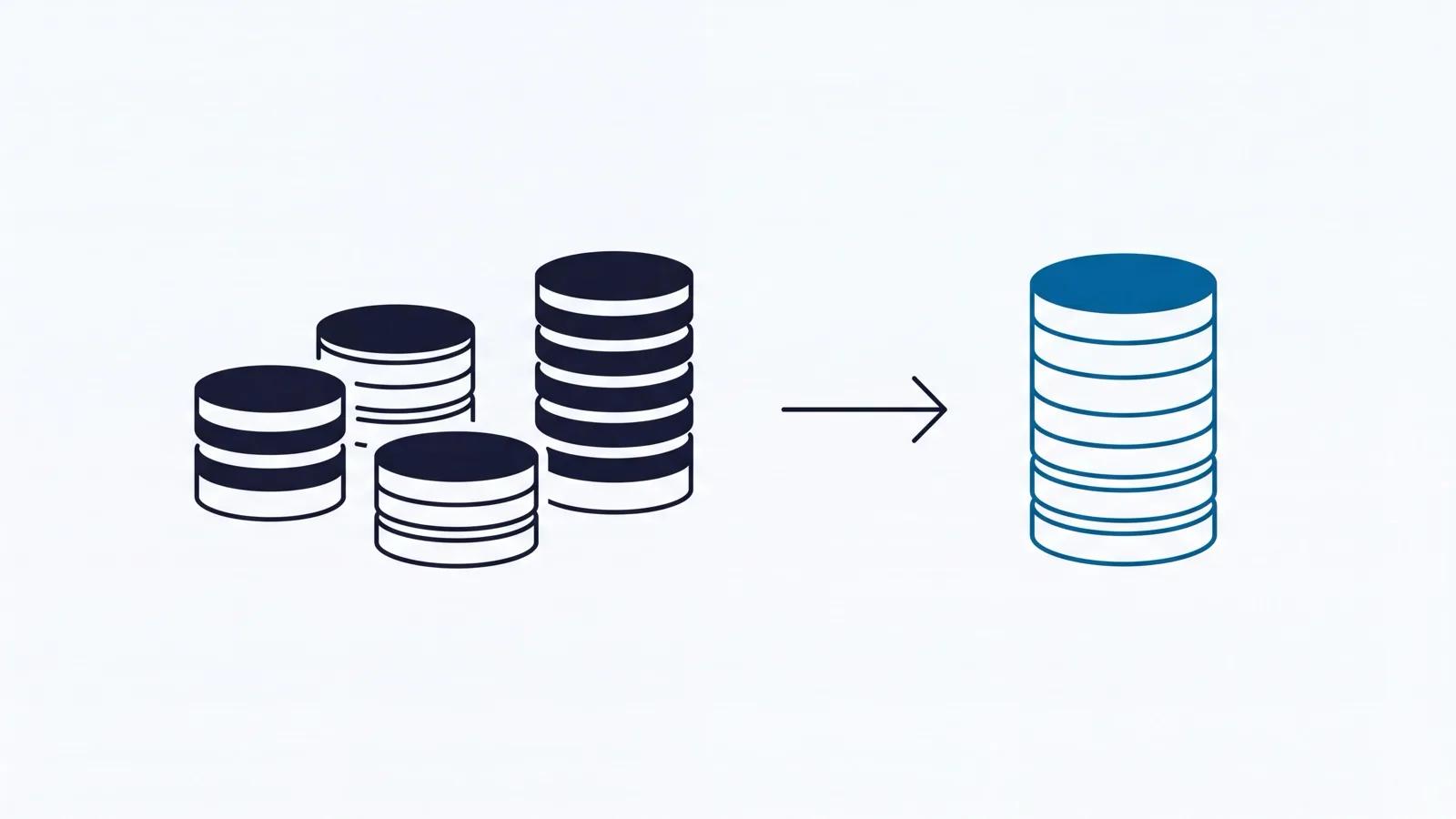
Консолидация отдельной системы документов, инструмента качества, реестра лаборатории и HR-таблицы на единой платформе устраняет пересечение лицензий, стоимость поддержки интеграций и дублирующий ввод данных — три отдельных, измеримых рычага, а не одно расплывчатое «повышение эффективности».
Масштаб проблемы в отрасли в целом
Средняя организация сейчас использует 101 SaaS-приложение — впервые эта цифра превысила 100 (Okta Businesses at Work, 2025). Управление таким разрастанием имеет прямую цену: среднее предприятие теряет, по оценкам, $21 млн в год на неиспользуемых или недоиспользуемых SaaS-лицензиях (Zylo SaaS Management Index, 2025). Контроль документов, управление качеством, лаборатория/LIMS и HR часто являются четырьмя из этих отдельных статей, каждая со своим логином, своей моделью данных и своей интеграцией, требующей поддержки.
Три рычага, которые количественно оценивает калькулятор ROI
Вместо того чтобы приводить единую усреднённую по отрасли цифру экономии, /resources/roi-estimator
вычисляет три отдельных значения на основе собственных вводных данных организации:
- Время подготовки к аудиту. Часы, сэкономленные на аудит × число аудитов в год × нагруженная часовая стоимость, где процент экономии времени берётся из свидетельств, полученных из единого источника (e-QMS + e-Lab), вместо поиска по папкам.
- Время цикла согласования документа. Часы, сэкономленные на маршрутизированный документ × число маршрутизированных документов в год × нагруженная часовая стоимость, где сокращение получается за счёт обязательных текущих версий и маршрутизированных согласований в e-EDMS/e-QMS, заменяющих циркуляцию вложений по почте.
- Консолидация точечных инструментов. Сумма лицензий инструментов, которые организация выводит из эксплуатации, плюс избегаемая стоимость поддержки интеграций и избегаемые часы повторного ввода данных, когда единая платформа заменяет несколько инструментов.
Почему результат — это оценка, а не гарантия
Формулы фиксированы; константы, которые их масштабируют (проценты сокращения времени, избегаемая
стоимость интеграции), либо вводятся пользователем для собственных инструментов организации, либо
берутся из отраслевого бенчмарка с указанием источника — никогда не придумываются. Калькулятор
помечает результат как «оценочная годовая ценность» и показывает использованные вводные данные, точно
как указано в roi_calculators.md, потому что цифра консолидации, которую нельзя проследить до её
вводных данных, — это не та цифра, которую экономический покупатель сможет защитить внутри своей
организации.
Чего это не утверждает
Это не утверждение, что каждая организация теряет $21 млн на программном обеспечении или что Efixera возвращает эту сумму. Это масштаб отраслевой проблемы, на который нацелен третий рычаг калькулятора, — сколько стоит консолидация для конкретной организации, зависит от того, какие инструменты она выводит из эксплуатации и сколько они стоят, а это именно то, что запрашивает калькулятор.
Источники
- В среднем 101 SaaS-приложение на организацию — Okta Businesses at Work, 2025.
- Средние годовые потери $21 млн на неиспользуемых/недоиспользуемых SaaS-лицензиях — Zylo SaaS Management Index, 2025.
- Формулы ROI и правила источников констант:
03_Marketing_Engine/roi_calculators.md.