e-PMS — Capital Projects & Supervision
A capital-project workspace where engineering, construction and field supervision live on one WBS.
e-PMS is the capital-projects module of Efixera: a project opens against a registered client contract, scope decomposes into a Work Breakdown Structure across engineering / construction / supervision phases, a bottom-up man-hour budget tracks against actuals with earned-value metrics, and field oversight — author surveillance and technical supervision, including hidden-works acceptance and lab-test verification — gates the work and traces straight into the drawings, the lab and the quality system.
Project Execution (WBS + man-hour budget + EVM) · Author Surveillance · Technical Supervision · Client Satisfaction
The status quo
What it replaces
Capital projects are run from spreadsheets and email; clients live as free-text names, not a registry, and the Director cannot see, in real time, how far each unit has progressed against a contract.
Scope is a flat task list, not a Work Breakdown Structure, so the project budget is tallied by hand with no live budget-vs-actual.
Author surveillance and technical supervision — hidden-works acceptance, lab verification — are recorded on paper, disconnected from the project, the drawings, the lab and the quality system.
Functional core
What the module does
Project Execution
- Client and contract registry — a project opens against one of that client's registered contracts, inheriting its metadata.
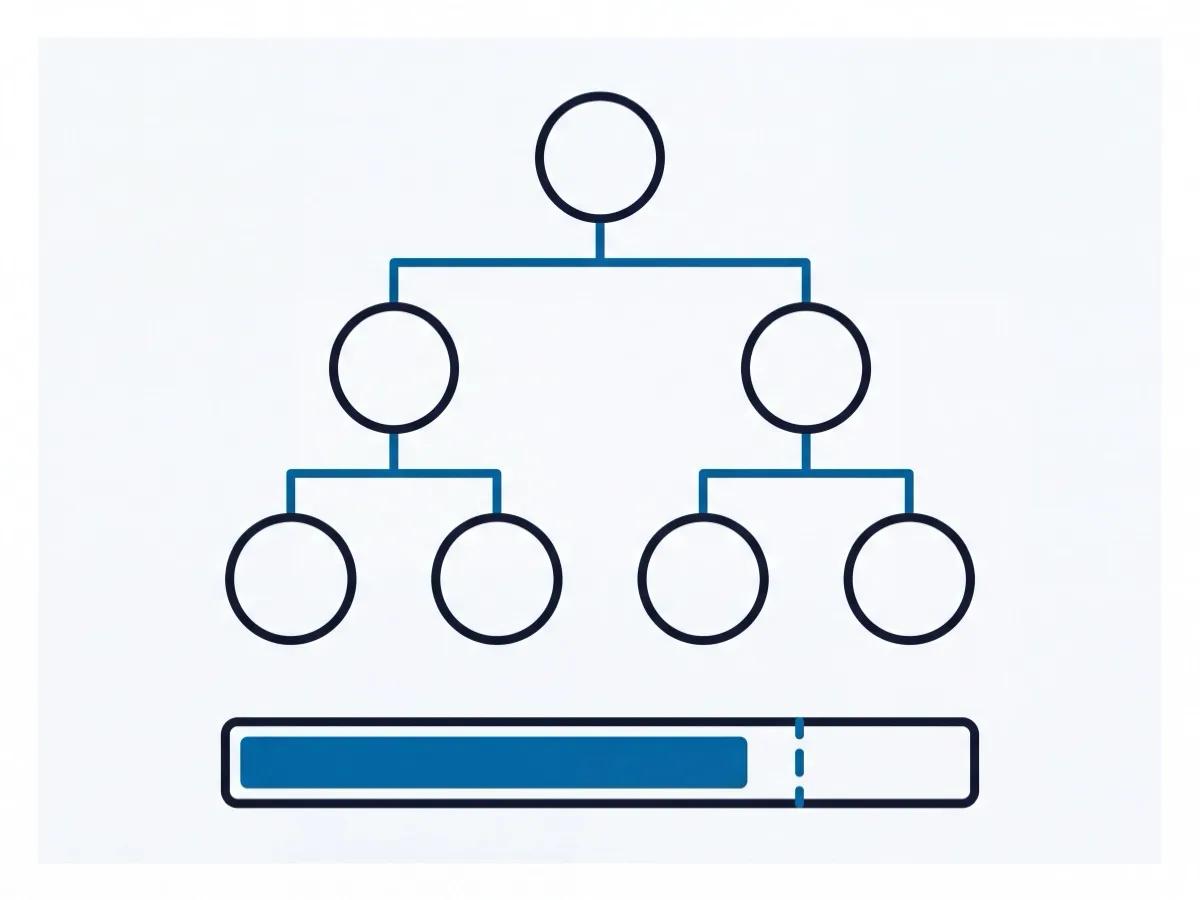
- Work Breakdown Structure (not a flat task list): scope decomposes into a phase-typed tree — engineering, construction, post-construction supervision.
- A WBS deliverable references an issued e-EDMS revision through the Integration Bridge — single source of truth, no copies.
Budget & Earned Value
- Each structural unit estimates its own hours; the project budget is the roll-up of those hours × a labor rate card.
- Logged timesheets against planned hours and %-progress yield earned-value metrics (CPI/SPI per ANSI/EIA-748).
- Cost-at-completion forecast (AACE-aligned): estimate at completion, estimate to complete, variance at completion.
Author & Technical Supervision
- Field-supervision log (журнал авторского надзора) and field change orders, e-signed, tied to the affected WBS node and drawing.
- Inspection acts including АОСР (hidden-works acceptance with evidence photos) gate the covering work — a rejection keeps the node blocked.
- A failed safety check or lab-test verification auto-raises an e-QMS non-conformance, traced back to the WBS node.
Client Satisfaction
- Online satisfaction questionnaire auto-linked to a project contract/order — feedback tied to the exact project.
- Evaluation and analysis with automatic statistical reports, exported to Excel and PDF.
- Open-ended answers mined for sentiment and recurring themes (on-prem AI).

In context
How it works with the rest of the platform
Document → Project
A WBS deliverable references an issued e-EDMS revision through the Integration Bridge.
Field failure → NCR
A failed inspection, safety check or lab-test verification auto-raises an e-QMS non-conformance.
Competency → Project
Hazardous WBS assignments are gated against verified e-HR competency and permit evidence.
Status quo vs. e-PMS
The difference, line by line
Compliance
Standards this module serves
- PMBOK 7 / ISO 21500 / AACE practice — WBS, EVM, field inspections.
- Field-supervision and inspection-act retention per organization policy.
- Client-contract confidentiality enforced through the platform access model.
FAQ
Common questions
Can we start with just e-PMS and add other modules later?+
Yes. Each module stands alone and gains value as adjacent modules join it on the same login and access model — e-PMS references drawings from e-EDMS and traces field failures into e-QMS as soon as they're connected.
How does it track project execution in real time?+
Scope decomposes into a Work Breakdown Structure; as deliverables are accepted, each node's execution status advances on a planned-hours-weighted roll-up — so the Director sees per-unit %-progress in real time instead of a periodic manual report.
What stops covering work before it's inspected?+
An inspection act (АОСР) gates the covering work — a rejection keeps the WBS node blocked until it's re-inspected and accepted, with evidence photos retained against the act.
How do field failures reach the quality system?+
A failed safety checklist, hidden-works inspection or lab-test verification auto-raises a draft e-QMS non-conformance through the Integration Bridge, traced back to the originating WBS node — no manual re-entry.
Where did project management move from?+
e-PMS was decoupled from e-EDMS — capital-project execution is a different bounded context and buyer than document control. e-EDMS is now a focused document-control module; a project references an issued e-EDMS revision through the Integration Bridge, never a copy.
See e-PMS on your own processes.
A focused walkthrough of e-PMS, scoped to your organization's workflow.