Blog · C9
Measuring client satisfaction against the contract it relates to
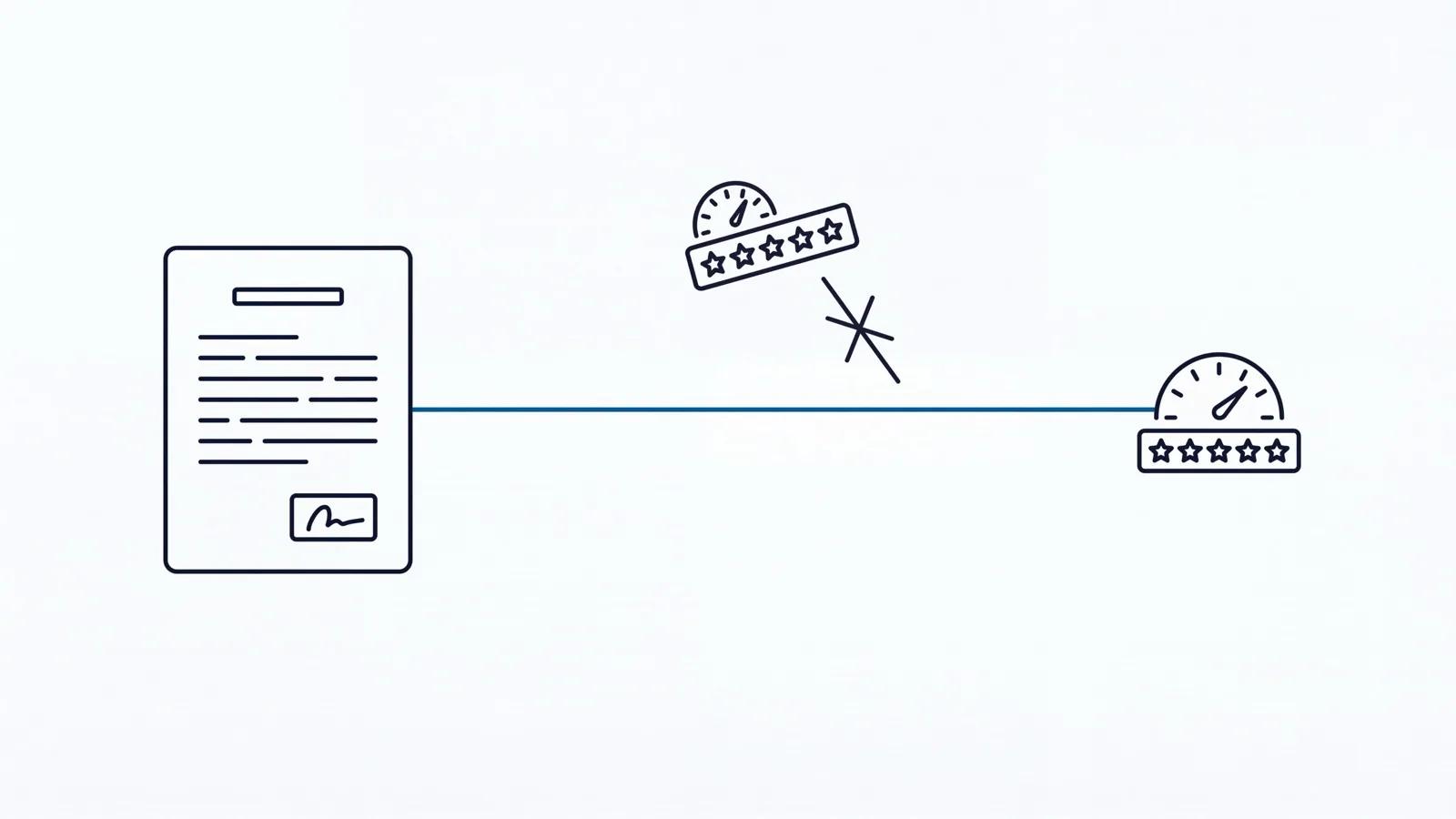
Measuring client satisfaction against the contract it relates to means every survey response is tied to the specific project contract or order that generated it — not collected as a generic score disconnected from which engagement it's actually about.
Why the generic version of this metric is weak
A satisfaction score with no link back to a specific contract or order can't answer the question that actually matters to a project sponsor: was this client satisfied with this engagement, and why. It also tends to get low response rates when it's collected as an afterthought — B2B customer satisfaction surveys see a median response rate of 21.88%, roughly half the 36.67% B2C median (SurveySparrow, 2025 Benchmark Report), and quarterly, low-friction collection tied to an actual event (not a generic annual survey) is standard practice for lifting that rate in a B2B setting.
What contract-linked measurement changes
- The survey is auto-linked to the project contract or order at the point it's sent, not matched up manually afterward. There is no step where someone has to figure out which project a response was about.
- Evaluation and analysis run automatically: statistical reports export to Excel and PDF on demand, rather than being compiled by hand from a spreadsheet of responses.
- Free-text answers can be mined for sentiment and recurring themes, flagging dissatisfaction signals a numeric score alone would miss — run on-premise only, since client feedback can contain a client's own confidential information.
Why the contract link matters more than the score itself
A satisfaction score of "7 out of 10" means very little without knowing which contract, which deliverables, and which period it covers. Tied to the contract:
- A pattern of low scores on a specific contract type or unit becomes visible immediately, not after the tenth similar complaint.
- The score sits next to the same contract's execution data — schedule, budget-vs-actual, quality events — so a satisfaction dip can be cross-referenced against what was actually happening on that engagement at the time.
- Renewal and account-management conversations start from the actual record, not a generic perception.
Where this fits
This is a sub-module of capital-project execution, not a standalone survey tool — it exists because project contracts, orders, and deliverables are already tracked in the same system the survey draws from, so the link is structural rather than a manual step someone has to remember to do.
Sources
- B2B customer satisfaction survey median response rate 21.88% vs. 36.67% B2C — SurveySparrow, 2025 Benchmark Report.
- Contract-linkage and reporting mechanism —
02_Products_and_SaaS/e_pms.md(Client Satisfaction sub-module).