Blog · C2
Контроль документов против общих дисков: обеспечение единой текущей версии технического документа
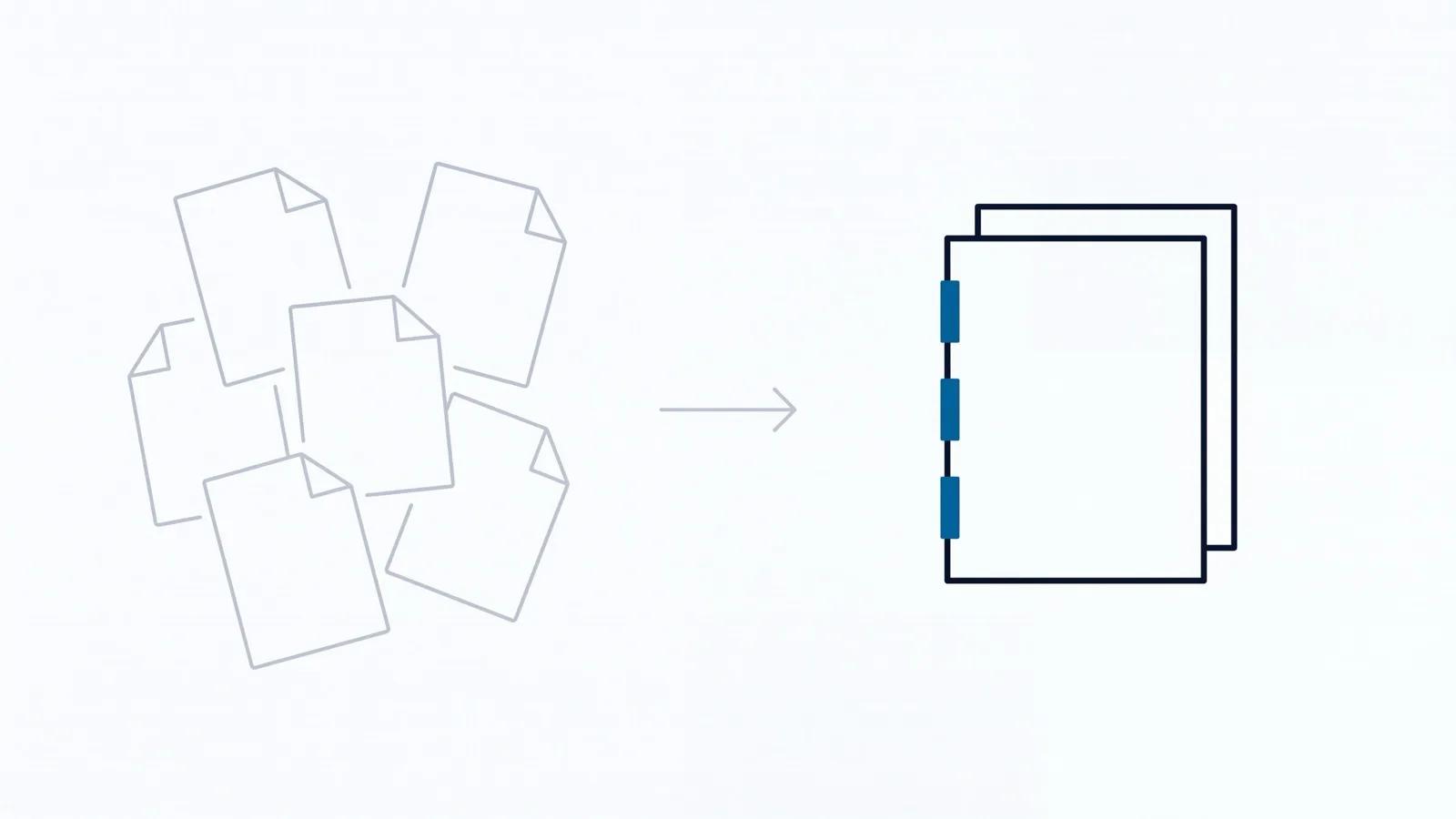
Контроль документов означает обеспечение ровно одной текущей версии технического документа, при этом каждая предыдущая ревизия сохраняется и прослеживается. Общий диск или переписка по почте не способны на это: оба варианта позволяют двум людям открыть один файл, редактировать его независимо и сохранить две разные «финальные» версии без блокировки, без истории происхождения и без записи о том, какая из них действительно действует.
Где общий диск даёт сбой
Папка с файлами — это место хранения, а не система контроля. У неё нет понятия:
- Единой текущей версии. Любой может сохранить новую копию под любым именем; ничто не отмечает один файл как обязательный к использованию релиз.
- Защиты от параллельного редактирования. Два инженера могут одновременно открыть один и тот же чертёж и каждый сохранить противоречащие изменения — без блокировки и без слияния.
- Контролируемой передачи. Ревизия, отправленная подрядчику по почте, не оставляет записи о том, когда она была отправлена, кому и по какой передаточной ведомости.
- Правил хранения и уничтожения. Старые ревизии удаляются, переименовываются или неформально теряются, а не следуют документированному графику.
Сотрудники тратят в среднем 25% рабочей недели на поиск документов, информации или людей, нужных для работы, — 2 часа в день (Glean, 2021). Ни одна из этих минут не тратится на саму работу — она уходит на то, чтобы заново установить, какой файл действительно актуален.
Что на самом деле обеспечивает контроль документов (DCC)
Система контроля документов, построенная по ISO 15489-1 (управление записями) и MoReq2010 (строгое версионирование, check-in/check-out, передаточные ведомости, метаданные), заменяет неформальный обмен файлами жизненным циклом выпуска:
- Черновик → на рассмотрении → выпущен → заменён, плюс терминальный статус аннулирован для полного изъятия без замены — отдельно от статуса «заменён», при котором предыдущая ревизия остаётся доступной.
- Check-in / check-out. Редактируемая ревизия закрепляется за одним редактором; никто другой не может сохранить поверх неё, пока она заблокирована.
- Код ревизии на каждой выпущенной версии — инженерные коды вроде C (утверждено для строительства), I (для сведения), U (утверждено для использования), Z (как построено), отдельно от самого статуса жизненного цикла, так что «выпущено» и «утверждено для чего» никогда не смешиваются.
- Цепочки рецензентов/утверждающих по документу, формируемые из матрицы рассылки и назначения RACI — проверка и утверждение — разные роли, а не одна и та же подпись дважды.
- Передаточные ведомости — контролируемая запись о передаче: документ передаётся и принимается по последовательной передаточной ведомости, привязанной к главному реестру документов, а не письмом с вложением.
- Криптографическая подпись перехода в статус «выпущен», с фиксацией хэша файла для контроля целостности.
Ни одному из этих механизмов нет эквивалента на общем диске — это не вопрос политики, а вопрос структуры.
Что меняется для людей, работающих с документом
- Контролёр DCC перестаёт быть неформальным хранителем знания о том, «какая версия правильная», по памяти — систему обеспечивает это сама.
- Руководитель проекта или EPC ссылается на одну выпущенную ревизию из плана проекта вместо копирования чертежей в проектные папки, которые сразу начинают расходиться с источником.
- Спонсор отвечает на вопрос «какая ревизия текущая» с помощью системы, а не звонком.
Внедрение без миграции «всё и сразу»
Контроль документов не требует миграции всех исторических файлов в первый же день. Типичное внедрение начинается с того, что новые и активно редактируемые документы сразу попадают под контроль, а исторические архивы вносятся поэтапно, по модулям, — суть в том, чтобы сначала остановить появление новой неопределённости версий, а затем двигаться назад по архиву.
Источники
- Сотрудники тратят 25% рабочей недели (2 часа в день) на поиск документов/информации/людей — Glean, 2021.
- ISO 15489-1 (управление записями) и MoReq2010 (версионирование, check-in/check-out, передаточные
ведомости, матрица метаданных, криптографическая подпись) — основа стандартов,
02_Products_and_SaaS/e_edms.md.