Blog · C13
Müəllif nəzarəti və texniki nəzarət: kim nəyi nə vaxt təsdiqləyir
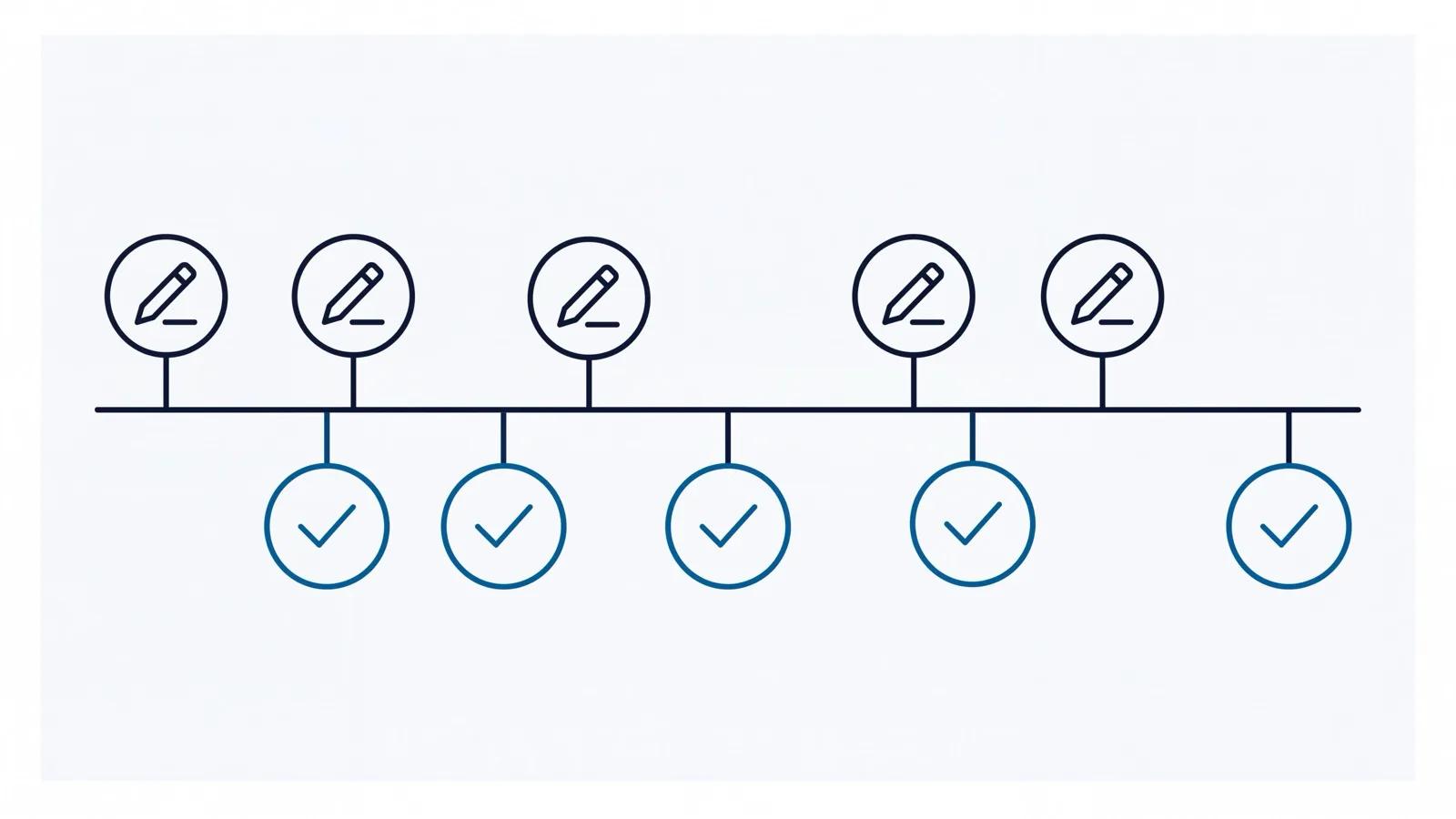
Müəllif nəzarəti (авторский надзор) layihəçinin faktiki tikilmiş işin təsdiqlənmiş dizayna uyğun olduğunu təsdiqləməsidir; texniki nəzarət (технический надзор) tikinti davam etməzdən əvvəl gizli işləri qəbul edən, təhlükəsizlik yoxlamaları aparan və laboratoriya nəticələrini doğrulayan müştəri tərəfi keyfiyyət nəzarətidir. Bunlar iki fərqli tərəf tərəfindən aparılan, iki fərqli şeyi yoxlayan iki fərqli roldur — və onları qarışdırmaq sahə nəzarətinin adətən layihədən, çertyojlardan və keyfiyyət sistemindən qopuq kağız üzərində qalmasının səbəbidir.
Müəllif nəzarəti: layihəçinin təsdiqi
Müəllif nəzarəti layihəçinin öz təsdiqlənmiş dizaynına qarşı davam edən sahə nəzarətinin qeydidir:
- Sahə-nəzarəti jurnalı (журнал авторского надзора) — layihəçinin layihə üzrə sahə ziyarətləri və müşahidələrinin davam edən qeydi.
- Sahə dəyişiklik sifarişləri, layihəçi tərəfindən konkret təsirlənən iş-təqsimatı düyününə və çertyoja qarşı verilir, təsdiq üçün göndərilir və e-imzalanır — e-poçtda qeyd deyil.
- Dizayn-kənarlaşma hesabatları faktiki-layihələndirilmişi faktiki-tikilmişlə müqayisə edir, olduğu-kimi-istifadə, yenidən-işləmə və ya yenidən-layihələndirmə qərarı ilə. Böyük kənarlaşma onu yaradan kənarlaşmaya qədər izlənərək avtomatik uyğunsuzluq qaldıra bilər.
Layihəçi bir suala cavab verir: tikilən təsdiqlənənə uyğundurmu, uyğun deyilsə, qərar nədir.
Texniki nəzarət: müştəri tərəfi qapısı
Texniki nəzarət podratçının işi üzərində müştərinin öz keyfiyyət nəzarətidir və faktdan sonra qeydə almaqdansa irəliləyişi qapılayır:
- АОСР daxil olmaqla yoxlama aktları (акт освидетельствования скрытых работ — gizli-işlərin qəbulu) — şəkillərlə sübutlanmış. Qəbul edilmiş akt örtülən işin davam etməsinə icazə verir; rədd işin həmin hissəsini həll olunana qədər bloklanmış saxlayır.
- Sahədə təhlükəsizlik siyahıları, burada uğursuz yoxlama uyğunsuzluq qaldıra bilər.
- Laboratoriya-sınağı doğrulanması — material sınağı konkret laboratoriya sınağı icrasına qarşı tələb olunur və uyğun olmayan nəticə materiala və onun üçün olan işə izlənərək avtomatik uyğunsuzluq qaldırır.
Texniki nəzarətçi fərqli bir suala cavab verir: bu konkret iş hissəsi keçilməyə, örtülməyə və ya etibar edilməyə qəbul edilə bilərmi.
Fərq əməliyyat baxımından niyə vacibdir
İki rolu qarışdırmaq — və ya hər ikisini faktiki layihə strukturuna bağlantı olmadan kağız üzərində işlətmək — hər iki halda eyni uğursuzluq rejimini yaradır: kənarlaşma, uğursuz yoxlama və ya doğrulanmamış material hansı iş-təqsimatı düyününə aid olduğundan, hansı çertyoja istinad etdiyindən və hansı keyfiyyət qeydini işə salmalı olduğundan qopuq şəkildə aktların fiziki qovluğunda basdırılır. Hər sahə dəyişiklik sifarişini, yoxlama aktını və laboratoriya doğrulanmasını ümumi layihə faylı əvəzinə aid olduğu konkret layihə düyününə və sənədə bağlamaq — "kim nəyi nə vaxt təsdiqlədi" sualını yaddaşdan yenidən qurmaq əvəzinə faktdan sonra cavablandırıla bilən edir.
İkisi harada birləşir
Müəllif-nəzarəti kənarlaşma hesabatı və texniki-nəzarət yoxlama aktı rəqabət aparan qeydlər deyil — onlar eyni iş-təqsimatı düyününə iki fərqli baxış nöqtəsindən (dizayn niyyəti və davam-etməyə-qəbul) istinad edə bilər, və hər ikisinin uğursuz olması ilk görən şəxsin şəxsi mühakiməsi deyil, uyğunsuzluq qaldırmalıdır.
Mənbələr
- Mexanizm əsası:
02_Products_and_SaaS/e_pms.md(Müəllif Nəzarəti, Texniki Nəzarət alt-modulları); standart əsası PMBOK 7 / ISO 21500 / AACE International. - Qeyd:
03_Marketing_Engine/seo_semantic_core.mdbu dəqiq terminologiyanın (müəllif/texniki nəzarət proqram təminatı) 2026-07-07 tarixinə ayrıca ingilis-dilli bazar-ölçüsü məlumatına malik olmadığını qeyd edir — bu material dizaynca benchmark-əsaslı deyil, mexanizm-əsaslıdır.