Blog · C11
Digitalizing a research/engineering institute without a multi-year integration project
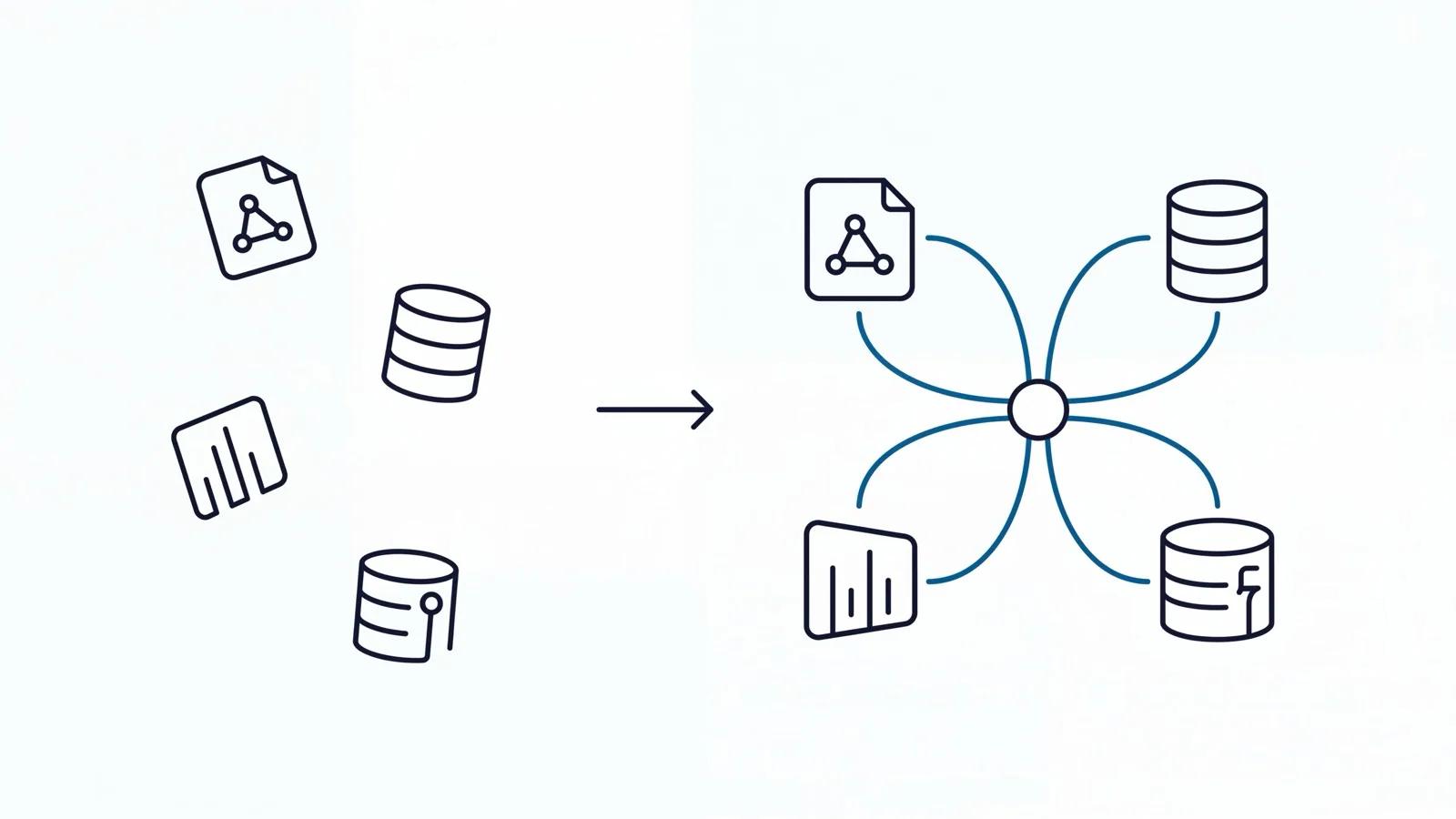
Digitalizing a research or engineering organization does not require a single multi-year integration program covering every function at once — it requires picking one module that matches today's biggest audit or operational pain, proving value, and adding the next module on the same login and access model.
Why the multi-year, all-at-once approach is the riskier default
88% of business transformation efforts fail to achieve their original ambitions (Bain & Company, 2024). The pattern behind most of that failure is structural, not effort-related: a program scoped to transform every function simultaneously accumulates dependencies, timeline risk, and change-management load that a narrower, incremental rollout never takes on. A transformation program is exposed to years of organizational change, budget cycles, and shifting priorities before it delivers anything a user can point to.
What "module by module" actually means here
A platform organized as Efixera Core (identity, file store, workflow engine, audit, reporting — shared substrate bundled in every license) plus separable module families makes a narrower first step possible without giving up the eventual full picture:
- Each module stands alone. e-EDMS (document control), e-QMS (quality/standards/risk), e-Lab (calibration/metrology), e-HR (people/competency), e-Library (knowledge), e-PMS (capital projects), e-CRM/e-Bid (pre-contract) — each solves its own domain's problem on day one.
- Adjacent modules compound. A document released in e-EDMS references the current (green) standard in e-QMS natively; a failed lab test in e-Lab or a failed inspection in e-PMS raises a non-conformance in e-QMS automatically — value increases as more modules join the same login, without requiring them all on day one.
- One access model from the start. Because identity, RBAC, and audit trail are Core — not rebuilt per module — adding a second module is a configuration step, not a second integration project.
What this looks like as a rollout sequence
A typical first module is whichever one maps to the sharpest current pain: document control if "which revision is current" is answered by memory, or quality/standards if the last audit found a document released against a superseded standard. The first live module produces visible results — enforced current versions, color-coded standard validity, per-unit execution percentage — within the timeframe of that one module's rollout, not a multi-year program's.
Sources
- 88% of business transformation efforts fail to achieve their original ambitions — Bain & Company, 2024.
- Module/Core architecture —
01_Business_Core/brand_identity.md(module table);02_Products_and_SaaS/(per-module specs).